
Summary

PCOD is a long-term hormonal condition that cannot currently be completely cured naturally, but its symptoms can often be managed effectively through lifestyle changes.

A balanced, high-fiber, low-glycemic diet, regular exercise, gradual weight management, stress reduction, and certain supplements such as inositol, vitamin D, and omega-3s may help improve symptoms.

However, supplements should be taken with medical guidance.

Avoid miracle cures, detoxes, and unverified herbal remedies.

The best approach combines healthy habits with appropriate medical care and regular check-ups for better hormonal, metabolic, and reproductive health.
If you’ve been diagnosed with PCOD, you’ve probably typed “cure PCOD naturally” into Google more than once.
It’s a fair thing to wonder.
Nobody wants to depend on medication forever, and the idea of fixing things through food and lifestyle sounds appealing.
So let’s talk honestly about it.
Can you cure PCOD naturally, or is that just wishful thinking?
The short answer is that you can manage it really well naturally, even if a full cure isn’t on the table yet.
PCOD affects a large number of women, and it can mess with your periods, your skin, and your weight.
It’s frustrating. But there’s good news too.
A lot of women find real relief once they understand what actually helps.
What exactly is PCOD?
PCOD stands for Polycystic Ovary Disease.
People often confuse it with PCOS, which is Polycystic Ovary Syndrome.
They’re related, but PCOS is usually the more intense version with more symptoms.
Both conditions involve a hormone imbalance and small cysts on the ovaries.
Common signs include:
- Irregular or missed periods
- Weight gain that feels hard to control
- Acne or oily skin
- Extra hair growth on the face or body
- Trouble getting pregnant
Doctors usually diagnose it using your symptoms, blood tests, and an ultrasound.
Why Does PCOD Happen?
Nobody knows the exact cause, but doctors have identified a few common triggers:
- Genetics. If your mother or sister had it, your risk goes up.
- Insulin resistance. Your body struggles to use insulin properly, which raises blood sugar.
- Hormonal imbalance. Higher levels of male hormones, called androgens, drive many symptoms.
- Lifestyle. Poor diet, high stress, and low activity can make things worse.
This mix of hormonal issues is a big reason PCOS affects such a large share of women globally.
Some research estimates the worldwide rate at around 10 to 13 percent of women of reproductive age, though it varies quite a bit depending on the region and how it’s diagnosed.
How Do Doctors Usually Treat It?
Most doctors start with birth control pills to regulate your cycle, or metformin to help with insulin resistance.
If excess hair or acne is a big concern, anti-androgen medication might be added too.
These treatments work, but they mostly manage symptoms rather than fixing the root problem.
And medication can come with side effects, which is exactly why so many women start searching for ways to cure PCOD naturally instead.
Can You Actually Cure PCOD Naturally?
Here’s where we need to be honest.
PCOD is a long-term condition.
Natural methods won’t dissolve cysts or completely reset your hormones overnight.
But that doesn’t mean natural care is useless. Far from it.
What natural methods can do is help your body handle hormone swings better, ease your symptoms, and even improve your chances of getting pregnant.
Research backs this up.
Diet and exercise changes have been shown to make a real difference in PCOD symptoms, even though there’s no solid proof they erase the condition.
So instead of chasing a total cure, think of it as taking back control.
That mindset shift makes the whole journey feel a lot less discouraging.
Natural Ways That Actually Help
1. Fix Your Diet First
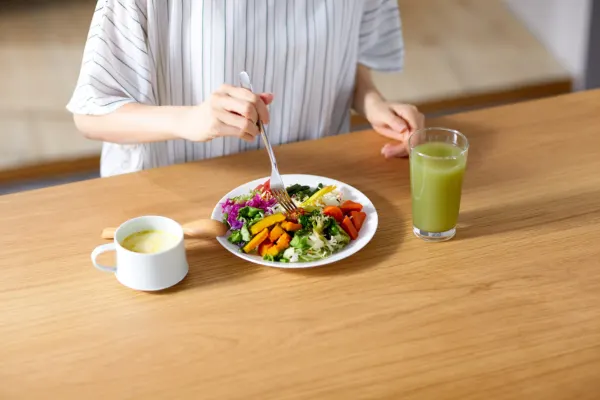
Food plays a massive role in hormone health.
An anti-inflammatory, whole-food diet can calm things down inside your body.
Try to eat more of:
- High-fiber foods like vegetables, fruits, and whole grains
- Healthy fats from nuts, seeds, and fish
- Low-glycemic foods that won’t spike your blood sugar
And try to cut back on processed snacks, sugary drinks, and refined carbs.
These foods tend to worsen insulin resistance and pack on extra weight.
A few easy habits that help:
- Prep your meals ahead of time so you’re not grabbing junk food
- Read nutrition labels before buying packaged food
- Keep sweets and white bread to a minimum
Diets like low-carb, Mediterranean, or paleo-style eating have shown good results too.
Many women who switch to a low-glycemic diet notice fewer breakouts, more regular periods, and steady weight loss over time.
2. Move Your Body Regularly
Exercise isn’t just about weight.
It helps your body respond to insulin better, lifts your mood, and lowers stress, which all tie back into hormone balance.
Good options include:
- Brisk walking or cycling for cardio
- Strength training to build muscle
- Yoga or stretching to relax your mind and body
Around 30 minutes most days is a solid goal.
You don’t need to run marathons. Just move consistently.
A couple of tips to stay on track:
- Mix up your workouts so you don’t get bored
- Set small goals instead of huge ones
- Walk or bike for short errands instead of driving

3. Watch Your Weight, Gently
This part surprises people.
You don’t need to lose a ton of weight to see changes.
Dropping just 5 to 10 percent of your body weight can bring your periods back on track and ease other symptoms too.
In one large study of women with PCOS in India, over 43 percent were found to have obesity, and most of them also had at least one metabolic issue linked to the condition.
That’s a strong reminder of how closely weight and hormone health are connected.
To lose weight sustainably:
- Set goals that are realistic, not extreme
- Find a friend, coach, or support group to stay accountable
- Track your progress so you can see what’s working
4. Consider Certain Supplements
Some supplements have decent research behind them:
- Inositol, especially myo-inositol, can improve how your body uses insulin
- Vitamin D, since deficiency is common in PCOD and affects hormone balance
- Omega-3 fatty acids, which help with inflammation and heart health
Always talk to your doctor first, though.
Supplements can interact with medication or cause side effects you didn’t expect.
5. Manage Your Stress
Stress raises cortisol, and cortisol throws your hormones even further out of balance.
Breaking that cycle matters more than people realize.
Try adding these into your week:
- Mindfulness meditation
- Deep breathing exercises
- Acupuncture, if it’s available to you
- Gentle yoga or stretching
Even ten quiet minutes a day can help your body settle down.
What Doesn’t Work (And Might Even Hurt)
Not everything labeled “natural” is safe or effective.
Be careful with:
- Miracle herbal supplements promising instant results
- Unverified detox teas or cleanses
- Any product claiming a guaranteed cure
These often have no real science behind them.
Worse, relying on them can delay proper treatment and let symptoms get worse in the meantime.
A common myth is that herbs or teas alone can fully cure PCOD.
They can’t. Natural methods help manage the condition, but they don’t erase ovarian cysts or reverse hormone imbalances by themselves.
Believing otherwise can lead you away from care that actually works.
So, Can You Cure PCOD Naturally?
Not completely, at least not with what we currently know.
But you can absolutely manage it well, feel better day-to-day, and lower your risk of complications down the road.
Combining smart lifestyle changes with medical guidance tends to give the best results.
Here’s a quick recap of what actually helps:
- Eat a balanced, anti-inflammatory diet
- Stay active most days of the week
- Aim for gradual, realistic weight loss
- Try supported supplements like inositol or vitamin D, with your doctor’s okay
- Manage stress through daily relaxation habits
- Skip the miracle cures and detox fads
Final Thoughts
Trying to cure PCOD naturally is a reasonable goal, as long as you understand what that actually means.
It’s not about erasing the condition overnight.
It’s about giving your body the support it needs through food, movement, rest, and smart habits, while still working with your doctor along the way.
Every woman’s body reacts differently, so be patient with yourself.
Small, steady changes tend to beat quick fixes every time.
And if something feels off, don’t skip your check-ups.
A natural approach works best when it’s paired with real medical care, not instead of it.
Also Read: Can Yoga Help Regulate Periods in PCOS?
Frequently Asked Questions
1. Is it possible to cure PCOD naturally without medication?
Some women manage their symptoms well with diet, exercise, and stress control alone, especially in mild cases. But it depends on how severe your symptoms are. It’s best to check with your doctor before dropping any medication.
2. How long does it take to see results from natural PCOD management?
Most women start noticing changes, like more regular periods or clearer skin, within 3 to 6 months of consistent diet and exercise changes. Hormones take time to respond, so patience really matters here.
3. Can PCOD come back after symptoms improve naturally?
Yes, it can. PCOD is a long-term condition, so symptoms can return if you go back to old habits like poor diet, no exercise, or high stress. Staying consistent is what keeps things in check.
4. Are there any foods that make PCOD worse?
Processed foods, sugary drinks, refined carbs, and fried snacks tend to spike blood sugar and worsen insulin resistance. Cutting back on these usually makes a noticeable difference in symptoms.
5. Do I still need to see a doctor if I’m managing PCOD naturally?
Yes, definitely. Natural methods work best alongside regular check-ups, not instead of them. Your doctor can track your hormone levels, catch complications early, and adjust your plan as needed.

Dr. Anshita Goyal is an Ayurvedic physician and certified aesthetic practitioner specializing in holistic dermatology, cosmetology, and gynecological wellness. She earned her BAMS degree from Dayanand Ayurvedic College, Jalandhar, a diploma in Yoga and Naturopathy from the Gandhi National Academy of Naturopathy, and completed advanced clinical training at the Global Institute of Ayurvedic Dermatology and Aesthetics. Blending authentic Ayurveda with modern skincare solutions, Dr. Anshita is dedicated to empowering individuals through integrative health, natural skin rejuvenation, and personalized patient care.
