

Quick Summary

Feeling bloated or stuck after meals is more common than you think.

This guide walks you through the 8 best yoga asanas for digestion, from gentle twists to relaxing poses like Child's Pose.

You will also find a short routine, the best time to practice, and answers to common questions.

These poses will not replace medical care, but they can become a calming part of your daily habits and support a happier gut over time.
Introduction
Good digestion touches almost everything: your energy, your mood, even how well you sleep.
When your gut is off, you feel it.
Bloating, gas, constipation, and indigestion are some of the most common complaints people bring up with their doctors.
Survey data shows roughly one in seven adults deals with bloating in any given week, and constipation remains one of the top digestive complaints reported in the United States.
So, if this sounds familiar, you are not alone.
This is where the 8 best yoga asanas for digestion come in.
Yoga will not fix everything overnight, but it offers a gentle, low-pressure way to move your body and calm your mind, both of which matter for a smooth-running gut.
In this article, you will learn why yoga may help, the best yoga asanas for digestion, how to build them into a short routine, and the best time of day to practice.
One quick note before we start: yoga works best as a companion to medical care, not a replacement for it.
If your symptoms are severe or ongoing, please talk to a doctor.
How Can Yoga Help With Digestion?
You might be wondering how simply moving your body on a mat can do anything for your stomach.
Turns out, there is a real connection.
a. Gentle compression and movement: Many yoga poses press or twist the belly area. This gentle squeeze and release can encourage movement in the intestines, a bit like a light massage from the inside.
b. Stress relief plays a bigger role than you think: Your gut and your brain are closely linked. When you are stressed, digestion often slows down or gets jumpy. Yoga’s slow breathing and calm pacing can shift your body out of “fight or flight” mode and into a more relaxed state, which supports better digestion.
c. Regular movement supports regularity: Staying active in general, even with light stretching, tends to support more regular bowel habits. Sitting for long hours can make things sluggish, so any consistent movement helps.
A few honest points to keep in mind:
- Everyone’s body responds differently
- Results can take days or weeks of steady practice
- Yoga supports digestion; it does not cure digestive disorders
- Diet, hydration, and sleep still matter just as much
With that in mind, let’s get into the poses.
Best Yoga Asanas for Digestion
Here are the best yoga asanas for digestion, explained in plain, simple steps.
Go slow, breathe steadily, and stop if anything feels sharp or painful.
1. Pawanmuktasana (Wind-Relieving Pose)
Lie on your back, pull one knee toward your chest, and hug it gently.
This pose is almost made for trapped gas.
It presses on the belly and helps release built-up air, which is why it is often the first pose recommended for bloating.

2. Vajrasana (Thunderbolt Pose)
Sit back on your heels with your spine straight.
This is one of the few poses that is safe to do right after eating.
It is thought to support blood flow to the stomach area and ease the heavy feeling after a meal.

3. Ardha Matsyendrasana (Half Lord of the Fishes Pose)
This seated spinal twist gently squeezes your abdominal organs.
Twisting poses are often linked to better digestion because of this wringing action, which may encourage movement through the gut.

4. Bhujangasana (Cobra Pose)
Lie on your stomach and elevate your chest with your back muscles.
This backbend stretches the front of the belly and can relieve tightness, while also toning the muscles that support digestion.
5. Balasana (Child’s Pose)
A resting pose where you fold forward with your hips toward your heels.
Beyond the physical stretch, this pose is deeply calming, which supports the stress-digestion connection we talked about earlier.
6. Malasana (Garland Pose)
A deep squat with feet flat on the ground.
This position naturally opens the hips and can support the lower digestive tract, similar to how a squat position is more natural for bowel movements.
7. Supta Matsyendrasana (Supine Spinal Twist)
Lie on your back and drop your knees to one side while keeping your shoulders grounded.
This gentle twist massages the abdomen and is easy on the body, making it great for beginners.
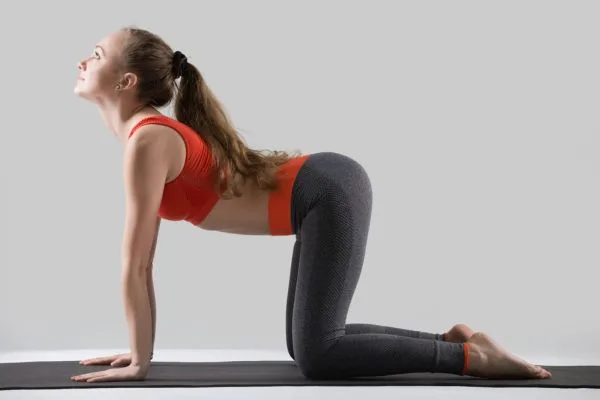
8. Marjaryasana-Bitilasana (Cat-Cow Pose)
Move between an arched and rounded spine on your hands and knees.
This flowing movement warms up the whole torso and gently massages the digestive organs with each breath.
These yoga asanas for digestion work well on their own, but they shine when combined into a short, steady routine.
Simple Yoga Routine for Better Digestion
You do not need an hour. A short, focused sequence using these best yoga asanas for digestion can fit into almost any schedule.
- Cat-Cow Pose: 1 to 2 minutes
- Pawanmuktasana: 30 to 60 seconds per side
- Bhujangasana: 20 to 30 seconds
- Ardha Matsyendrasana: 30 seconds per side
- Malasana: 30 to 60 seconds
- Supta Matsyendrasana: 30 seconds per side
- Balasana: 1 to 2 minutes
- Vajrasana: 5 to 10 minutes
This whole sequence takes around 15 to 20 minutes. Start with whichever poses feel easiest, then slowly work through the rest as your body gets used to them.
Best Time to Practice Yoga for Digestion
Timing actually matters here, and it depends a bit on which pose you are doing.
a. Morning practice: Many people like practicing yoga asanas for digestion in the morning on an empty stomach. This is a good time for most of the poses on this list, especially twists and backbends.
b. Practice after digestion, away from a heavy meal: For most poses, it is best to wait two to three hours after a large meal. Twisting and bending with a full stomach can feel uncomfortable and may work against you rather than for you.
c. Evening practice: A slower evening session, focused on poses like Balasana and gentle twists, can help you unwind and may support smoother digestion overnight.
d. Why exercising right after a big meal is not ideal: Right after eating, your body is busy directing blood flow to your stomach to digest food. Jumping into deep twists or bends at this time can cause discomfort, cramping, or nausea.
The exception here is Vajrasana, which is gentle enough to do shortly after a meal.
For everything else, give your body some space first.
More than the exact time, choose a slot you can stick to consistently for your yoga asanas for digestion, since regular practice matters more than perfect timing.
Conclusion
To sum it up, the best yoga asanas for digestion are Pawanmuktasana, Vajrasana, Ardha Matsyendrasana, Bhujangasana, Balasana, Malasana, Supta Matsyendrasana, and Cat-Cow Pose.
Each one supports your gut in its own small way, whether through gentle compression, stress relief, or simple movement.
You do not need to master all 8 at once.
Pick two or three beginner-friendly yoga asanas for digestion, like Cat-Cow and Balasana, and build from there.
Consistency will always matter more than pushing yourself into advanced poses too soon.
Yoga works best as one piece of a bigger picture.
Pair these best yoga asanas for digestion with balanced meals, enough water, regular movement, good sleep, and some way to manage stress, and your gut will likely thank you for it.
Also Read: Best Yoga Poses for Lower Back Pain
Frequently Asked Questions
a. Which yoga asana is best for digestion?
Among all the yoga asanas for digestion covered here, Pawanmuktasana, or Wind-Relieving Pose, is often considered the most direct one since it specifically targets trapped gas and bloating.
b. Can yoga help with gas and bloating?
Yes, gentle poses that compress or twist the belly, like Pawanmuktasana and Ardha Matsyendrasana, may help ease gas and bloating by encouraging movement in the gut.
c. Can I do yoga after eating?
Most poses should wait two to three hours after a meal. Vajrasana is the main exception, since it is gentle enough to practice right after eating.
d. Which yoga is best for constipation?
Twisting poses like Ardha Matsyendrasana and Supta Matsyendrasana, along with Malasana, are commonly recommended to support regularity.
e. How long should I practice yoga for better digestion?
A short daily routine of yoga asanas for digestion, around 15 to 20 minutes, is enough for most people. Consistency over time matters more than long sessions
f. Is Vajrasana good for digestion?
Yes, Vajrasana is one of the few poses considered safe right after meals and is often linked with easier digestion.
g. Can beginners practice these yoga poses?
Yes, all 8 yoga asanas for digestion in this guide are beginner-friendly. Go at your own pace, and skip anything that causes pain or sharp discomfort.

Pradeep Mehta is the founder of Samsara Wellness and a certified Yog Acharya with over a decade of teaching experience. He is a Yoga Alliance-certified Hatha Yoga teacher and holds certifications in Laughter Yoga, AcroYoga, Thai Therapy, and Sound Healing. He has guided celebrities, athletes, corporates, and wellness enthusiasts toward holistic health and well-being.