
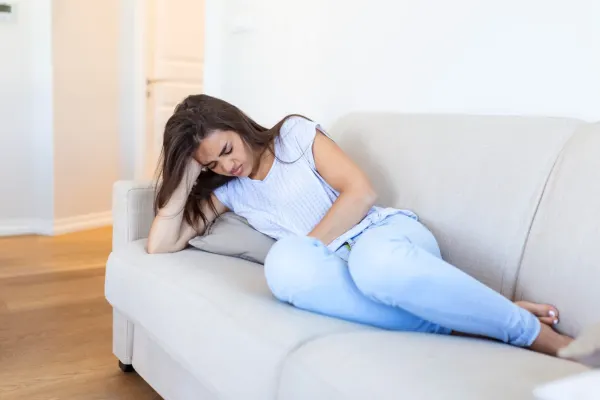
Summary

Endometriosis, Polycystic Ovaries (PCO), and Polycystic Ovary Syndrome (PCOS) are three distinct reproductive conditions that are frequently misunderstood.

Endometriosis occurs when misplaced uterine tissue causes inflammation, severe pain, and potential fertility issues, often requiring medical or surgical care.

In contrast, PCO is simply a harmless ultrasound finding of enlarged ovaries with fluid sacs that requires no treatment without hormonal imbalances.

Meanwhile, PCOS is a lifelong hormonal disorder characterized by irregular periods, excess androgen levels, and insulin resistance.

Understanding these differences helps women recognize abnormal symptoms early, advocate for proper care, and effectively manage their long-term health.
Endometriosis is a chronic condition where tissue like the lining of the uterus grows outside the uterus.
This misplaced tissue continues to behave as normal uterine lining; it thickens, breaks down, and bleeds with each menstrual cycle.
But unlike regular menstruation, this blood has nowhere to go, leading to inflammation, scarring, and severe pain.
Endometriosis is not “normal period pain.”
Many women delay seeking help because they’re told pain is normal.
Left untreated, it can affect fertility, mental health, and quality of life.
Endometriosis affects roughly 1 in 10 women of reproductive age worldwide, yet it often takes years to get diagnosed correctly.
Many women visit several doctors before someone finally connects their symptoms to endometriosis.
This delay happens because the condition can look different from person to person, and pain is often brushed off as a normal part of having periods.
What Causes Endometriosis?
Doctors are still studying the exact cause of endometriosis, but a few possible factors include:
- Retrograde menstruation, where menstrual blood flows backward into the pelvic cavity
- Genetic factors, since endometriosis often runs in families
- Immune system issues that prevent the body from clearing misplaced tissue
- Hormonal imbalances that encourage tissue growth outside the uterus
Understanding these possible causes helps explain why endometriosis can vary so much from one woman to another.
Common Symptoms:
- Painful periods (dysmenorrhea)
- Pain during intercourse
- Lower back and abdominal pain
- Bowel or urinary issues
- Fatigue and fertility challenges
Beyond these common symptoms, some women also experience bloating, nausea, and pain that spreads to the legs.
Symptoms of endometriosis can also flare up during ovulation or worsen gradually over the years if left unmanaged.
How Is Endometriosis Diagnosed?
Diagnosing endometriosis usually involves a combination of a detailed symptom history, a pelvic exam, and imaging tests like an ultrasound or MRI.
In many cases, a laparoscopy is needed to confirm the diagnosis, since this minor surgery allows doctors to see the tissue directly and even treat it at the same time.
a. Treatment:
- Pain relief medications
- Hormonal therapy (e.g., birth control pills)
- Laparoscopic surgery to remove endometrial tissue
- Lifestyle changes like anti-inflammatory diets and stress reduction
In addition to medical treatment, many women find relief through gentle exercise, heat therapy, and working closely with a pelvic pain specialist.
Building a support system, whether through friends, family, or online communities, can also make living with endometriosis much easier.
b. Takeaway:
If your periods interfere with your daily life, it’s time to listen to your body.
Early diagnosis and support can greatly improve outcomes.
The earlier endometriosis is identified, the more treatment options are available, and the better the long-term outlook tends to be.
Your Personal Guide to Polycystic Ovaries
Polycystic ovaries (PCO) are ovaries that appear larger than normal with many small, fluid-filled sacs (follicles) visible on ultrasound.
It’s a common finding and does not always mean disease.
PCO is often discovered by accident during a routine scan for something unrelated.
It simply describes what the ovaries look like on imaging, not a diagnosis of a specific disease.
This distinction is important because it helps prevent unnecessary worry.
PCO vs. PCOS:
- PCO refers to the ultrasound appearance only.
- PCOS (Polycystic Ovary Syndrome) includes hormonal imbalances and symptoms like irregular periods, acne, hair growth, and weight gain.
The key difference lies in symptoms and hormone levels.
A woman can have polycystic-looking ovaries without having any hormonal imbalance at all, and this is completely normal for many people.
Important Note:

Many women have polycystic ovaries without any symptoms.

This is not dangerous and often does not need treatment unless other signs of PCOS are present.
What Should You Do?
- Don’t panic if your ultrasound shows PCO.
- Monitor your menstrual cycle, weight, and skin/hair changes.
- Talk to your doctor about whether further tests are needed.
If your cycles stay regular and you notice no other changes in your body, PCO alone usually needs no treatment.
Regular checkups are still a good idea to keep track of your reproductive health over time.
Takeaway:

Polycystic ovaries alone are not a disease.

With awareness and regular health checks, you can stay in control of your reproductive health.
Living with PCOS: A Real-Life Survival Kit
Polycystic Ovary Syndrome (PCOS) is a hormonal disorder affecting many women of reproductive age.
It involves irregular periods, excess androgens (male hormones), and polycystic ovaries on ultrasound.
PCOS is one of the most common hormonal conditions among women, yet it is often misunderstood.
Because its symptoms overlap with other conditions, many women are misdiagnosed or go undiagnosed for years before getting the right answers.
Common Symptoms:
- Irregular or missed periods
- Weight gain or difficulty losing weight
- Acne or oily skin
- Excess facial/body hair
- Mood swings or anxiety
- Difficulty getting pregnant
Some women with PCOS also experience thinning hair on the scalp, skin tags, or dark patches of skin around the neck and armpits.
These are signs of insulin resistance, which is closely linked to PCOS.
Managing PCOS Naturally and Effectively:
- Healthy Diet: Focus on whole grains, fiber-rich veggies, and foods with low glycemic index.
- Exercise: Moderate activity like walking, swimming, or yoga helps manage insulin resistance.
- Sleep & Stress: Prioritize sleep hygiene and stress reduction techniques such as meditation or journaling.
- Medical Help: Your doctor may suggest birth control pills, metformin, or fertility support depending on your needs.
Small, consistent lifestyle changes often make the biggest difference over time.
Even a 5 to 10 percent reduction in body weight has been shown to improve symptoms and restore more regular cycles for many women with PCOS.
Long-Term Considerations:
- PCOS increases the risk of diabetes, heart disease, and uterine cancer if not managed properly.
- Regular check-ups are essential, even if symptoms improve.
Because PCOS affects more than just the reproductive system, working with a healthcare team that includes a gynecologist, dietitian, and sometimes an endocrinologist can lead to better long-term results.
Takeaway:

PCOS is a lifelong condition, but with the right tools, support, and awareness, you can thrive, not just survive.
Final Thoughts
Endometriosis, PCO, and PCOS may sound similar, but each one affects the body differently.
Endometriosis often causes severe pain and can silently affect fertility over time, while PCO is usually harmless on its own, and PCOS requires ongoing lifestyle and medical management.
Understanding these differences helps women advocate for themselves and seek the right care instead of dismissing symptoms as normal.
If something about your body feels off, trust that instinct.
Whether it is unexplained pain, irregular cycles, or unusual changes in your skin or hair, these are signals worth discussing with a doctor.
Early awareness, especially around conditions like endometriosis, can make a real difference in long-term health and quality of life.
Also Read: Can You Cure PCOD Naturally?
Frequently Asked Questions
1. What is the main difference between PCO and PCOS?
PCO simply describes how the ovaries look on an ultrasound. PCOS is a hormonal condition that includes symptoms like irregular periods, acne, and excess hair growth, along with the polycystic appearance.
2. Can endometriosis affect my ability to get pregnant?
Yes. Endometriosis can affect fertility by causing scarring or blocking the fallopian tubes. Many women with endometriosis are still able to conceive, especially with early diagnosis and treatment.
3. Is period pain always a sign of endometriosis?
Not always, but severe pain that disrupts daily life is not something to ignore. If pain relief medication does not help or symptoms worsen over time, it is worth getting checked for endometriosis.
4. Do I need treatment if I have polycystic ovaries but no other symptoms?
Usually not. If your periods are regular and you have no other signs of hormonal imbalance, PCO alone typically does not require treatment, though regular checkups are still recommended.
5. Can lifestyle changes really help manage PCOS?
Yes. Diet, exercise, sleep, and stress management can significantly improve PCOS symptoms, including irregular periods and insulin resistance, especially when combined with guidance from a doctor.

Dr. Anshita Goyal is an Ayurvedic physician and certified aesthetic practitioner specializing in holistic dermatology, cosmetology, and gynecological wellness. She earned her BAMS degree from Dayanand Ayurvedic College, Jalandhar, a diploma in Yoga and Naturopathy from the Gandhi National Academy of Naturopathy, and completed advanced clinical training at the Global Institute of Ayurvedic Dermatology and Aesthetics. Blending authentic Ayurveda with modern skincare solutions, Dr. Anshita is dedicated to empowering individuals through integrative health, natural skin rejuvenation, and personalized patient care.
